Dartmouth Park Estate upholstery cleaning experts: a practical guide to cleaner, fresher furniture
If your sofa, armchair, dining chairs or footstool are starting to look tired, you are not alone. In a busy home, upholstery picks up crumbs, body oils, pet hair, accidental spills and that general "lived-in" look far quicker than most people expect. Dartmouth Park Estate upholstery cleaning experts help put that right with careful cleaning methods that suit the fabric, the stain and the condition of the furniture. The difference is often immediate: colours look brighter, the room smells cleaner, and the whole space feels more looked after. This guide explains what professional upholstery cleaning involves, when it makes sense, what to avoid, and how to get the best results without risking damage.
To make the next step easier, you can also explore our upholstery cleaning service and, if your home includes sofas that need a more tailored approach, our sofa cleaning page is useful too. Different fabrics need different handling. That sounds obvious, but in practice it is where many cleaning jobs go wrong.
Quick expert summary: the safest upholstery cleaning job is rarely the most aggressive one. Good results come from fabric identification, controlled moisture, the right detergent, patient dwell time and proper extraction or drying. Rush it, and you can get rings, shrinkage, rough texture or even colour loss. Slow and steady usually wins here.
Table of Contents
- Why Dartmouth Park Estate upholstery cleaning experts matters
- How Dartmouth Park Estate upholstery cleaning experts works
- Key benefits and practical advantages
- Who this is for and when it makes sense
- Step-by-step guidance
- Expert tips for better results
- Common mistakes to avoid
- Tools, resources and recommendations
- Law, compliance, standards, or best practice
- Options, methods, or comparison table
- Case study or real-world example
- Practical checklist
- Conclusion
- Frequently asked questions
Why Dartmouth Park Estate upholstery cleaning experts matters
Upholstered furniture is one of those things you stop noticing until it starts looking dull. Then suddenly every mark seems louder than it should be. On Dartmouth Park Estate, homes often balance good design with everyday use, which means upholstered pieces tend to be both visually important and heavily used. A faded sofa can drag down the whole room. A stained chair in a dining area can make the space feel less welcoming. And if you have guests, children or pets, the wear builds up quietly, week by week.
Working with Dartmouth Park Estate upholstery cleaning experts matters because upholstery is not just "fabric on a frame". It is a mix of textile, filling, stitching, glue, dye and structure. Some fabrics are robust, others are fussy. Some stains sit on the surface, others sink deep into the weave. If you use a one-size-fits-all approach, you can end up pushing the stain deeper or leaving a tide mark that looks worse than the original spill. To be fair, that is a miserable outcome after you have already tried hard to fix it.
There is also the hygiene side. Upholstery holds dust, allergens, pet dander and general household debris. Regular cleaning helps reduce that build-up and keeps furniture more pleasant to use. It will not magically make old furniture new again, but it can make a very noticeable difference to how it feels in daily life.
For local households looking for broader help beyond furniture, a trusted cleaning company can be useful when upholstery cleaning is part of a wider reset, such as after a renovation, tenancy change or seasonal deep clean. Sometimes one job leads neatly into another. That is just normal home life.
How Dartmouth Park Estate upholstery cleaning experts works
Professional upholstery cleaning usually starts long before any machine is switched on. A proper cleaner should identify the fabric, check the manufacturer's care label where available, look for fading, worn seams, previous spot treatments and any warning signs such as water marks or dye transfer. That initial inspection matters because the wrong chemistry or too much moisture can cause real damage.
After inspection, the cleaner typically removes loose soil with vacuuming and detailed edge cleaning. Then a suitable pre-treatment is applied to loosen grime and break down common stains. The method depends on the upholstery type. Natural fibres, synthetics, velvet-style fabrics, wool blends and microfiber all behave differently. There is no drama in saying this: what works beautifully on one sofa can be a disaster on another.
Depending on the fabric and the condition, the cleaner may use hot water extraction, low-moisture cleaning, foam cleaning, encapsulation, or carefully controlled hand spot treatment. Some pieces need very little moisture; others respond well to a deeper extraction process. The main goal is always the same: clean the fibres effectively without over-wetting them.
Drying is the final stage and it is often overlooked by homeowners. Proper airflow, sensible room temperature and avoiding immediate heavy use all help prevent lingering damp smells or re-soiling. If you sit back down too quickly, you can flatten fibres or transfer dirt back into a half-dry surface. Annoying, but avoidable.
If you are dealing with mixed household cleaning needs, the wider deep cleaning service can be relevant because upholstery is often one part of a more thorough clean. For example, a lounge refresh may include soft furnishings, skirting boards, rugs and windows. It is usually more efficient to think of the room as a whole rather than isolated items.
Key benefits and practical advantages
The main benefit of professional upholstery cleaning is simple: it helps furniture look and feel better without replacing it. But there are several other practical advantages worth considering.
- Restores appearance: everyday dullness, drink marks and general grime are reduced, so the colour and texture come back to life.
- Supports hygiene: cleaned upholstery tends to hold less loose dust and residue, which is helpful in busy homes.
- Extends furniture life: built-up soil can wear down fibres over time, so regular maintenance may help furniture last longer.
- Improves comfort: clean fabric feels fresher, and the room itself often smells better too.
- Protects investment: quality sofas and chairs are expensive to replace, so cleaning can be a sensible middle ground.
There is a subtle but important benefit too: when furniture looks cared for, the whole space feels calmer. You notice it in the evening when the lamps are on and the room looks softer, or first thing in the morning when you want the place to feel tidy before the day gets away from you.
For households balancing pets, children and frequent visitors, it can also reduce that constant low-level pressure of "we really should sort the sofa." It sounds small. It isn't, really. Small visual improvements do affect how a home feels.
If your chairs or sofa have taken a hit from daily use, you may also find one-off cleaning helpful when you do not need a standing service but still want a proper reset for a specific room or occasion.
Who this is for and when it makes sense
Dartmouth Park Estate upholstery cleaning experts are a good fit for a wide range of people, but the strongest use cases tend to be very practical.
- Homeowners who want to refresh lived-in furniture without buying new items.
- Renters preparing for inspections or moving out, especially if the upholstery has visible marks.
- Families with children or pets who need regular stain and odour management.
- People with allergies who want to reduce dust and embedded debris.
- Anyone hosting guests or events and wanting the space to look its best.
- Landlords and property managers looking after furnished homes between tenancies.
It also makes sense if your sofa or chairs have recently suffered a spill. The sooner it is treated, the better the chances of lifting the stain cleanly. That is especially true for coffee, wine, sauces and anything oily. Leave it too long and the stain bonds with the fibre. Then it becomes more of a project.
Sometimes it makes sense even when the upholstery does not look dramatically dirty. If the room smells stale, if the fabric has lost its softness, or if you can see traffic patterns along seat cushions and armrests, a professional clean can quietly improve things more than you might expect.
For upholstered pieces in offices or workspaces, the same logic applies. If you are maintaining a reception area, meeting room or staff lounge, clean furniture supports a better first impression. In that case, broader office cleaning can help keep the environment looking consistent rather than patchy.
Step-by-step guidance
If you want to understand how a good upholstery cleaning job should unfold, here is a straightforward version of the process.
- Inspect the fabric and condition. Check the material, colourfastness, seams, padding and any previous damage.
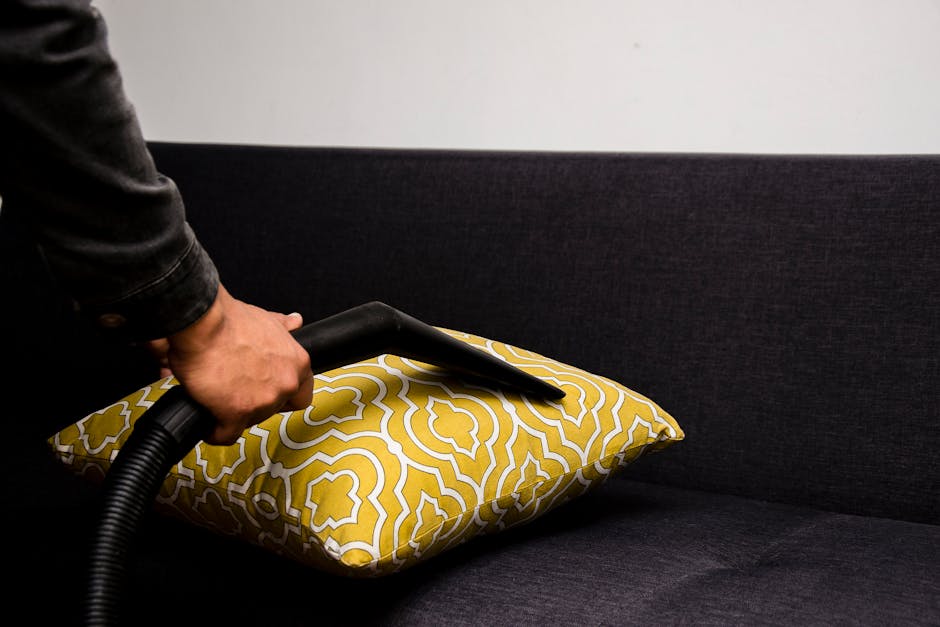
- Vacuum thoroughly. Remove dry soil, crumbs, lint and pet hair before any liquid treatment begins.
- Test in a hidden area. A discreet patch helps confirm that the chosen method will not affect colour or texture.
- Apply the right pre-treatment. This softens grime and targets common stains without overloading the fabric.
- Clean using the least aggressive method that will work. Sometimes that means careful low-moisture cleaning, sometimes extraction.
- Detail edges, seams and arms. These areas collect more body oils and dirt than people realise.
- Remove residue and control moisture. Clean fibres should not be sticky or soaked.
- Dry properly. Use ventilation and avoid heavy use until the piece is ready.
- Final check. Look for any remaining marks, colour changes or hidden damp patches.
That final check matters more than people think. A job is not really done when the machine stops; it is done when the item is clean, evenly treated and ready to use again. Tiny distinction, big difference.
If you are arranging cleaning around other household tasks, it can be helpful to combine upholstery care with domestic cleaning. That way, the furniture is not being cleaned into a room that still has dust on shelves and crumbs in corners. Little efficiencies add up.
Expert tips for better results
Here are a few things that tend to separate a decent clean from a genuinely good one.
- Act quickly on spills. Blot, don't rub. Rubbing spreads the stain and roughens the fibres.
- Know the fabric type. Velvet, wool, linen, synthetic blends and leather-look materials all need different treatment. Guessing is risky.
- Use the smallest effective amount of moisture. Over-wetting is one of the easiest ways to cause trouble.
- Work from the outside of a stain inward. This helps prevent spreading.
- Don't saturate cushions or padding. Surface dirt can be cleaned without soaking the whole piece.
- Improve airflow after cleaning. Open windows if practical, and keep the room comfortable rather than humid.
One underrated tip: if your furniture has removable cushions, clean them in a consistent order and dry them the same way. Otherwise you can end up with slightly different shades or textures across the same sofa. Not the end of the world, but it is the sort of thing you notice every day afterwards. And then it annoys you. A lot.
If you want to keep furnishings in better shape between professional visits, regular vacuuming with an upholstery attachment is a sensible habit. It takes minutes and saves you from grinding dry dust into the fibres. Simple, but effective. Occasionally the boring advice is the best advice.
Common mistakes to avoid
Upholstery cleaning goes wrong for a few recurring reasons. The good news is that most of them are avoidable.
- Using the wrong stain remover: some household products bleach colour or leave sticky residue.
- Scrubbing too hard: this can damage the pile and push the stain deeper.
- Ignoring the care label: even basic fabric guidance can prevent expensive mistakes.
- Cleaning only the stain: this often leaves a halo or tide mark around the treated area.
- Using too much water: padding can stay damp for far longer than the surface.
- Rushing drying time: using furniture too soon can flatten fibres and cause odour.
- Forgetting hidden areas: armrests, back cushions and seams are usually the dirtiest spots.
A lot of people also underestimate how much a piece has faded over time. That means they think one section looks "cleaner" when really it is just different because of wear. A professional should be honest about that. Cleaning can improve the item, but it cannot reverse sun damage or years of abrasion. Better to set realistic expectations up front.
When a piece is badly worn or has structural issues, a clean may still help, but it should not be sold as a miracle. If a cleaner promises that, be a little cautious. Maybe very cautious.
Tools, resources and recommendations
Useful upholstery cleaning relies on the right tools and the right judgement. The exact equipment varies, but the essentials usually include the following.
| Tool or resource | What it does | Why it matters |
|---|---|---|
| Upholstery vacuum attachment | Lifts dry soil and lint before wet cleaning | Prevents dirt from turning into slurry during treatment |
| Spot testing cloths | Checks colour transfer and fibre reaction | Helps avoid accidental damage |
| Fabric-safe pre-spray | Loosens grease and common grime | Improves cleaning without heavy scrubbing |
| Extraction or low-moisture system | Removes soil from the fibres | Matches the method to the fabric |
| Airflow and drying support | Speeds up drying after treatment | Reduces smell, damp patches and re-soiling |
For homeowners, the best "resource" is often a sensible cleaning plan rather than a cupboard full of random sprays. Keep a gentle fabric cleaner, a white cloth, and a vacuum with upholstery tools. That covers a surprising amount of everyday life. The temptation is always to buy a stronger product. Usually not needed.
If your furniture is part of a bigger reset, a house cleaning service can complement upholstery work, especially if you want the room to feel coherent afterwards rather than half-done. Clean upholstery in a dusty room just looks unfinished, truth be told.
Law, compliance, standards, or best practice
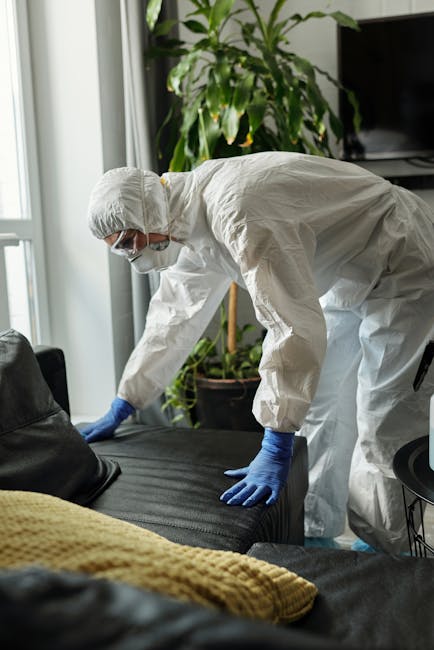
For domestic upholstery cleaning in the UK, there is not one single legal rulebook that covers every fabric and method, but there are important best-practice expectations. A reputable provider should work safely, use products appropriately, and avoid putting people or property at unnecessary risk. That includes sensible handling of cleaning agents, attention to ventilation, and care around electricity, flooring and delicate furnishings.
If cleaners are working in your home, it is reasonable to expect clear communication about the method being used and any risks associated with the fabric. Good practice also means checking whether the upholstery can tolerate moisture, whether any dye may transfer, and whether the piece should dry naturally or with additional airflow. That is just proper care, nothing flashy.
It is also sensible for customers to ask about insurance and safety procedures. A trustworthy company should be able to explain how they manage accidental damage, chemical use and on-site safety. If you want a clearer sense of how a provider approaches those matters, review the company's insurance and safety information and its health and safety policy. Those pages are part of building confidence before anyone starts cleaning on your sofa.
Privacy, payment handling and service terms matter too, especially if you are booking online or arranging access while you are out. For that reason, it helps to understand the company's payment and security approach and its terms and conditions. Slightly unglamorous, yes. Still important.
Options, methods, or comparison table
Not every upholstery job should be treated the same way. Here is a practical comparison to help you think it through.
| Method | Best for | Advantages | Watch-outs |
|---|---|---|---|
| Hot water extraction | Durable fabrics with embedded soil | Deep soil removal, strong refresh effect | Too much moisture can be risky on delicate pieces |
| Low-moisture cleaning | Sensitive fabrics or quicker turnaround needs | Faster drying, less saturation | May not suit very heavy soiling |
| Foam or controlled surface cleaning | Some delicate or textured fabrics | Gentler treatment, useful for certain fibres | Results depend heavily on correct application |
| Spot treatment only | Minor marks or isolated spills | Quick and focused | Can leave visible edges if the surrounding area is not blended |
The best choice depends on the fabric, the age of the stain and the end goal. A dining chair used daily by a family needs a different approach from a decorative armchair that mainly lives in a quieter corner. Matching the method to the item is the whole game, really.
For broader property refreshes, you might also compare upholstery care with rug cleaning if soft furnishings across the room need attention at the same time. Rooms feel more balanced when the soft surfaces are treated together.
Case study or real-world example
Here is a realistic example from the sort of situation many households recognise. A family in Dartmouth Park Estate had a three-seater sofa and two dining chairs that had slowly taken on a greyed, tired look. Nothing dramatic. Just enough wear to make the room feel less fresh than it should have been. There was also a coffee splash on one cushion and a few darker marks on the arm where people always sit.
The first step was an inspection and fabric test. The sofa fabric was suitable for a low-moisture approach, while the dining chairs needed a slightly more targeted spot treatment because of their texture. Dry soil was removed first, then the stained areas were pre-treated and cleaned carefully. The result was not a complete transformation into "brand new", because that would be unrealistic. But the sofa looked brighter, the chairs matched the rest of the room better, and the stale, slightly dusty smell had gone.
What made the biggest difference was not one dramatic trick. It was restraint, patience and doing the basics properly. That is often the truth with upholstery. There is a temptation to chase instant miracles, but the better result usually comes from quiet competence. No fireworks. Just clean fabric and a room that feels looked after again.
That family had also been considering a bigger reset, so the upholstery work was paired with home cleaners for the rest of the property. That kind of coordination can save time and reduce stress when life is already busy enough.
Practical checklist
Before you book or begin upholstery cleaning, run through this checklist. It keeps decisions simple.
- Check the fabric care label or identify the material as closely as possible.
- Note any existing damage, fading, loose stitching or worn patches.
- Identify all visible stains, even the small ones.
- Decide whether you need one item cleaned or several pieces in one visit.
- Ask how drying will be managed after cleaning.
- Keep pets and children away from the area during treatment and drying.
- Make sure the room can be ventilated if needed.
- Test any new cleaner in a hidden area first if you are doing a spot clean yourself.
- Confirm the cleaner uses a fabric-appropriate method, not a generic approach.
- Review service terms, safety and payment information before the appointment.
If you are comparing service providers, it is sensible to look beyond the headline promise. Ask what happens with delicate fabrics, how the cleaner handles old stains, and whether they will tell you honestly if a mark may not come out fully. That sort of honesty matters. A lot.
And if the job is part of a larger refresh, it can help to book it alongside other relevant services such as cleaners for general upkeep or home cleaners when the whole property needs a reset rather than just one sofa.
Conclusion
Dartmouth Park Estate upholstery cleaning experts are not just there to make furniture look better for a day. Done well, upholstery cleaning protects the fabric, improves the feel of the room, and helps you get more life out of pieces you already value. The key is choosing the right method, treating the fabric with respect, and not rushing the drying stage. Simple enough, but it makes all the difference.
If you are facing dull cushions, stubborn marks or a sofa that has quietly lost its spark, the next sensible step is to get a proper assessment and ask the right questions before any cleaning starts. That way, you get a better result and fewer surprises. And honestly, less faff is always welcome.
Get a free quote today and see how much you can save.
Fresh upholstery can change the mood of a room in a way that feels surprisingly uplifting. Sometimes that is all a space needs to feel like home again.
Frequently Asked Questions
What do Dartmouth Park Estate upholstery cleaning experts actually clean?
They clean upholstered furniture such as sofas, armchairs, dining chairs, footstools and similar fabric-covered items. In some cases they can also treat cushions and other soft furnishings, depending on fabric type and condition.
How often should upholstery be professionally cleaned?
That depends on use. Busy family homes, pet households and rented properties often benefit from more regular cleaning than a spare room chair. A practical rhythm is usually based on visible wear, odour and staining rather than a rigid calendar.
Can all upholstery fabrics be wet cleaned?
No. Some fabrics tolerate moisture well, while others need low-moisture methods or very careful spot treatment only. Fabric identification and a test patch are essential before any deeper clean.
Will upholstery cleaning remove old stains completely?
Not always. Fresh spills are usually easier to treat than old, set-in stains. A good cleaner should explain what is realistic rather than promising perfect results every time.
How long does upholstery take to dry?
Drying time varies by fabric, room temperature, airflow and how much moisture was used. Low-moisture methods usually dry faster, while deeper extraction can take longer. Good ventilation helps either way.
Is upholstery cleaning safe around children and pets?
It can be, provided suitable products are used and the furniture is left to dry properly before use. It is sensible to keep children and pets away from the area until the cleaner says the piece is ready.
Should I vacuum upholstery before the cleaner arrives?
Yes, if you can. It is not essential, but removing loose dust, crumbs and hair first can improve the outcome and make the process more efficient.
What is the difference between sofa cleaning and upholstery cleaning?
Sofa cleaning is a type of upholstery cleaning focused specifically on sofas. Upholstery cleaning is broader and can include chairs, stools, benches and other soft furnishings.
Can upholstery cleaning help with smells?
Yes, often it can. Cleaning removes dirt, residue and some odour sources trapped in the fibres. Strong or long-standing smells may need a more targeted approach, though.
What should I ask before booking upholstery cleaning?
Ask how the fabric will be tested, what method will be used, how drying is managed, and what happens if a stain cannot be removed fully. It is also wise to ask about insurance, safety and payment terms.
Is it worth cleaning older furniture?
Often yes, if the frame is sound and the fabric still has life in it. A clean can improve appearance and comfort enough to make keeping the item worthwhile. If the upholstery is badly worn or damaged, though, the result may be limited.
Can upholstery cleaning be combined with other services?
Yes, and that is often sensible. Many people pair upholstery work with general room cleaning, rug cleaning or wider domestic cleaning so the whole space feels refreshed together.