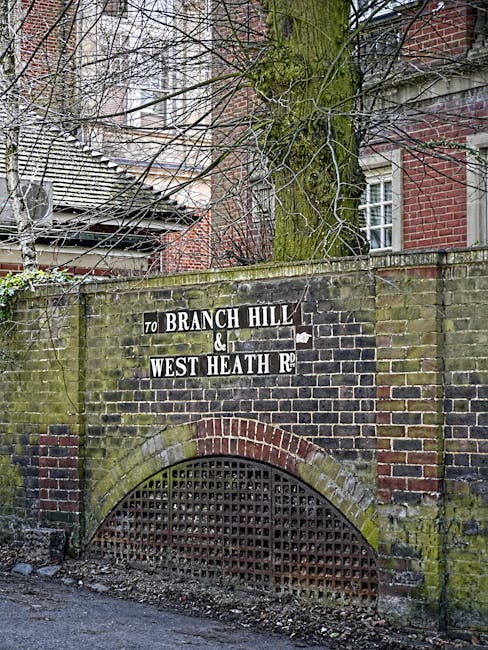
Hampstead Heath to Haverstock Hill Deep Cleaning Guide
If you live, work, rent, or manage a property between Hampstead Heath and Haverstock Hill, deep cleaning is one of those jobs that quietly makes everything feel back under control. The dust that settles on skirting boards, the grease behind appliances, the dull film on floors, the odd smell from upholstery after a wet week in London - it all builds up. This Hampstead Heath to Haverstock Hill deep cleaning guide walks you through what deep cleaning really involves, when it makes sense, and how to get proper results without wasting time on the wrong tasks.
Whether you are preparing for guests, moving out, recovering after builders, or simply trying to reset a busy home, the right approach matters. Let's face it, a surface tidy can look fine for about five minutes. Deep cleaning is the bit that lasts.
In this guide, you'll find a clear step-by-step process, practical tips, common mistakes, a comparison of cleaning methods, and a checklist you can actually use. You'll also see where specialist help can save you time and hassle, especially for jobs like deep cleaning services, carpet cleaning, oven cleaning, and window cleaning.
Table of Contents
- Why this deep cleaning route matters
- How the deep cleaning process works
- Key benefits and practical advantages
- Who this is for and when it makes sense
- Step-by-step guidance
- Expert tips for better results
- Common mistakes to avoid
- Tools, resources and recommendations
- Law, compliance, standards, or best practice
- Options, methods, or comparison table
- Case study or real-world example
- Practical checklist
- Conclusion
- Frequently Asked Questions
Why Hampstead Heath to Haverstock Hill deep cleaning guide Matters
The Hampstead Heath to Haverstock Hill stretch covers a mix of homes, flats, older properties, and busy lived-in spaces that can collect grime in a way you do not always notice day to day. One week it is a bit of dust on a bookshelf. A month later, you are looking at a kitchen that feels tired, a bathroom that never quite smells fresh, and floors that have lost their shine.
Deep cleaning matters because it resets the parts of a property that regular cleaning often misses. Think of the hidden edges: under radiators, around taps, inside extractor hoods, behind bins, on grout lines, under bed frames, and deep inside fabrics. These are the places where dirt hangs around. Not glamorous, but very real.
In practical terms, deep cleaning is useful when standard weekly cleaning is no longer enough. It is also a smart move before selling, letting, inspecting a rental, or simply getting your home back to a more comfortable baseline. If you have ever walked into a room after everything has been properly cleaned and thought, "Ah, that's better," you already know the feeling.
For local households and businesses, it can also support a better routine over time. A good deep clean tends to make normal upkeep easier, which is half the battle. A cleaner base means less scrubbing later. Simple, but true.
How Hampstead Heath to Haverstock Hill deep cleaning guide Works
A proper deep clean is not just a more enthusiastic version of a regular clean. It is a methodical, room-by-room, detail-first process. The aim is to remove built-up dirt, sanitise high-touch areas where needed, and restore the surfaces that daily cleaning does not fully reach.
The process usually starts with planning. You identify the areas that need the most attention, decide which rooms are priority, and work from top to bottom so dust does not fall onto areas you already cleaned. That last point sounds obvious, and somehow still gets missed all the time.
Most deep cleans in homes and small workplaces follow a similar flow:
- Declutter the space so surfaces are accessible.
- Dust high and hard-to-reach areas first.
- Clean fixtures, fittings, and frequently touched points.
- Work through kitchens, bathrooms, floors, soft furnishings, and glass.
- Finish with inspection and touch-ups.
When a professional team handles the job, the approach may also include specialist equipment or task-specific treatment for things like upholstery, rugs, hard floors, or ovens. If you need a broader service that covers multiple rooms and finishes, house cleaning and domestic cleaning can be useful starting points, while one-off resets often sit neatly under one-off cleaning.
One thing worth noting: deep cleaning is usually tailored. A family flat near the Heath will need a different plan from a shared office space off Haverstock Hill. Same general idea, different priorities.
Key Benefits and Practical Advantages
The obvious benefit is cleanliness, but the real value goes further than that. A well-executed deep clean improves comfort, hygiene, presentation, and even how easy a place is to maintain afterwards. Small win, big difference.
- Better hygiene: Removes accumulation from high-touch and hidden areas.
- Improved appearance: Brightens surfaces, glass, flooring, and fittings.
- Odour reduction: Helps tackle stale smells trapped in fabrics, bins, and kitchen zones.
- Longer-lasting surfaces: Regular removal of grime can reduce wear on floors, upholstery, and appliances.
- Less stress before events: Useful ahead of guests, inspections, or property handovers.
- Easier upkeep: A clean baseline makes weekly maintenance much simpler.
There is also a practical business benefit. For offices and small commercial spaces, a deep clean can support a more professional environment for staff and visitors. If you are managing a workspace, the difference between a quick tidy and a thorough reset is obvious within minutes. The air feels different. The surfaces look sharper. You notice the details.
And honestly, there is something reassuring about it. A deep-cleaned room tends to feel less chaotic, which can help you think a bit more clearly too. That may sound soft, but anyone who has lived through a cluttered hallway and a sticky kitchen knows exactly what I mean.
Who This Is For and When It Makes Sense
This guide is for anyone in the Hampstead Heath to Haverstock Hill area who wants a deeper, more complete clean than routine dusting or hoovering can offer. It is especially relevant if your property has been busy, neglected for a while, recently decorated, or is about to change hands.
Common situations include:
- End of tenancy cleaning before moving out
- Pre-sale preparation for a property viewing
- Post-build or renovation cleanup
- Seasonal refresh after winter or before hosting
- New baby preparation or family home reset
- Office refresh after a busy period
- Recovery after illness, long travel, or a very full calendar
Sometimes the need is obvious. Sometimes it sneaks up on you. You keep cleaning around the same marks, the same greasy cupboard handles, the same bathroom edges, and one day you realise the whole place needs a proper reset. That's normal.
If you are moving out, end of tenancy cleaning may be the best fit, particularly where a landlord, agent, or inventory check is involved. If your property has had recent work done, after builders cleaning is usually the more suitable route because fine dust behaves differently from everyday dirt. It gets everywhere, in the most annoying way possible.
Step-by-Step Guidance
If you want a clean result rather than a half-finished one, structure helps. Here is a practical way to tackle a deep clean without wandering from room to room and losing momentum halfway through. Been there, regretted it.
1. Start with a full walkthrough
Walk through each room and make notes. Look at the obvious mess, but also check behind doors, under furniture, around plug sockets, inside cupboards, and near vents. You are building a map of the job before you start.
2. Declutter first
Deep cleaning works best when surfaces are clear. Put away loose items, sort recycling, remove rubbish, and move anything that blocks access. If there is a lot to clear, a house clearance approach may be more practical before cleaning begins.
3. Dust from the top down
Start with shelves, tops of cabinets, light fittings, curtain rails, and high corners. Then work lower. This prevents dust from falling onto freshly cleaned surfaces. It sounds basic because it is basic, but the order really matters.
4. Tackle the kitchen properly
The kitchen is usually the most time-consuming area. Clean cupboard fronts, handles, splashbacks, small appliances, sinks, taps, and the inside and outside of the oven. Grease tends to cling to corners and around extractor units. If the oven is heavily soiled, specialist oven cleaning can save a lot of time and elbow grease.
5. Refresh the bathrooms
Bathrooms need a careful approach because of limescale, soap residue, and damp-prone corners. Pay attention to grout, shower screens, taps, seals, drains, and around the toilet base. Use suitable products for the surface rather than one aggressive cleaner for everything. That shortcut often creates more problems than it solves.
6. Clean fabrics and floors
Fabric surfaces absorb dust, odours, and everyday life. Sofas, chairs, curtains, rugs, and carpets benefit from more than a quick vacuum. Consider sofa cleaning, upholstery cleaning, rug cleaning, and carpet cleaning where the fabric is stained, flattened, or starting to smell a bit stale.
7. Finish with glass and details
Windows, mirrors, ledges, switches, skirting boards, and door frames are the final polish. These details are what make the difference between "clean enough" and "properly done." It is often the last 10% that changes the feel of the whole room.
8. Inspect and touch up
Once everything is done, inspect each area in natural light if possible. Morning light is unforgiving, but useful. Check corners, reflections in glass, and floor edges. Then fix the missed bits before putting items back.
Expert Tips for Better Results
The best deep cleans are rarely about brute force. They come from sequence, patience, and using the right method for the surface. A few small adjustments can make the whole job feel much easier.
- Use the right cloth for the job. Microfibre is good for most hard surfaces, while more absorbent cloths help in kitchens and bathrooms.
- Keep separate tools for bathrooms and kitchens. It sounds fiddly, but it helps avoid cross-contamination and strange smells.
- Let products sit where safe to do so. A little dwell time can work better than scrubbing too soon.
- Vacuum before wet cleaning. Removing loose dust first stops you from turning it into paste.
- Open windows where practical. Fresh air helps drying and keeps the place from feeling stuffy.
- Test on a hidden patch. Especially for delicate flooring, fabrics, or older painted surfaces.
For hard floors, using the right method matters just as much as the product. Some finishes need gentler treatment than people expect. If a surface is scratched, dull, or slightly sticky after mopping, the issue may be buildup rather than dirt alone. In those cases, hard floor cleaning can be a better long-term fix.
One quiet truth: the job goes faster when the room is quiet and you are not constantly switching tasks. Put on a podcast, maybe, or just enjoy the silence. Cleaning can be oddly meditative once you stop fighting it.
Common Mistakes to Avoid
Most deep cleaning mistakes are not dramatic. They are the little habits that waste time or leave residue behind. The kind of thing you only notice after the room has dried and still doesn't look quite right.
- Starting without a plan: Random cleaning usually means rework.
- Using too much product: More cleaner does not mean better cleaning. Sometimes it leaves a film.
- Ignoring hidden edges: Skirting boards, behind radiators, and underneath appliances collect more dirt than people think.
- Cleaning from the bottom up: This just moves dust around and creates extra work.
- Forgetting soft furnishings: A spotless kitchen can still feel untidy if the sofa or rug smells musty.
- Rushing drying time: Damp surfaces can pick up new dust or streaks almost immediately.
Another common issue is trying to do every task with the same tools. A steam-heavy approach may work in one area and damage another. Not every surface wants the same treatment. In a mixed-use property, that becomes especially important.
And yes, people do forget to clean light switches. All the time. Every cleaner has sighed at a light switch at least once.
Tools, Resources and Recommendations
You do not need a van full of gear to deep clean well, but you do need the basics organised. The right kit saves time and produces a more consistent finish.
| Area | Helpful tools | What to watch for |
|---|---|---|
| Kitchens | Degreaser, microfibre cloths, non-scratch pads, toothbrush-style detailing brush | Avoid harsh scouring on delicate finishes |
| Bathrooms | Limescale remover, grout brush, squeegee, cloths for dry buffing | Check product suitability on seals, stone, and chrome |
| Floors | Vacuum, mop, bucket, neutral floor cleaner | Different flooring types need different care |
| Soft furnishings | Vacuum with upholstery attachment, fabric-safe cleaner, lint roller | Test before treating stains or odours |
| Glass and mirrors | Glass cloth, spray bottle, lint-free finishing cloth | Dry properly to reduce streaking |
Some jobs benefit from specialist support rather than DIY persistence. For example, persistent stains in carpets, deep-set marks on rugs, or lingering smells in a sofa can take more time and equipment than most households want to manage alone. That is where services like carpets cleaner support or carpet cleaner services become useful.
Likewise, if you manage a workplace or studio, office cleaning and office cleaners can help maintain a consistent standard without interrupting the working day too much. The key is matching the method to the setting.
Law, Compliance, Standards, or Best Practice
For most homeowners, deep cleaning is mainly about hygiene, presentation, and comfort. But when you are dealing with rentals, shared spaces, workplaces, or post-construction dust, best practice becomes more than a nice-to-have.
In the UK, landlords, tenants, letting agents, and businesses usually expect a property to be left in a clean and presentable condition at the end of an occupation or after works have been completed. The exact requirements vary by agreement and circumstance, so it is sensible to check the relevant contract, inventory, or handover expectations rather than guessing.
Health and safety also matter. Cleaning products should be used according to the label, with care around ventilation, skin contact, and mixing incompatible chemicals. In shared or commercial settings, careful handling of waste, slips, trips, and electrical items is part of good practice. If a provider publishes a health and safety policy and insurance and safety information, that is usually a reassuring sign that these basics are being taken seriously.
Environmental responsibility is another practical consideration. Some jobs create a lot of waste, disposable cloths, or packaging from products. Where possible, aim for reusable materials and responsible disposal. A company with a clear recycling and sustainability approach is often thinking about the process a bit more carefully, which is no bad thing.
For booking and payment, it is worth reviewing payment and security and terms and conditions before confirming anything. It is not the fun bit, admittedly, but it saves confusion later.
Options, Methods, or Comparison Table
People often ask whether they should do a deep clean themselves, book a one-off service, or arrange a specialist clean for just one problem area. The answer depends on time, condition, and what kind of result you need.
| Approach | Best for | Pros | Limitations |
|---|---|---|---|
| DIY deep clean | Light-to-moderate buildup, regular home maintenance | Low cost, flexible timing, full control | Time-consuming, easy to miss hidden areas |
| One-off professional clean | Seasonal resets, pre-event preparation, busy households | Efficient, thorough, less stress | Less hands-on control, scheduling needed |
| Specialist targeted cleaning | Ovens, carpets, upholstery, windows, hard floors | Better results on problem areas | May not cover the whole property |
| End-of-tenancy or after-builders clean | Move-outs, check-outs, renovation dust | Task-specific, detail-focused | Can be more intensive than a general clean |
If you want a single, efficient reset, one-off cleaning is often the cleanest fit. If you need something more specific, it is perfectly sensible to combine a general deep clean with targeted extras. That mix-and-match approach is often the best value, to be fair.
Case Study or Real-World Example
Here's a realistic example. A family in a flat near Hampstead Heath had been through a very busy few months: school term, visitors, a couple of DIY jobs, and a kitchen that had quietly lost the battle. Nothing extreme, just the usual gradual build-up. The hallway was dusty, the oven had burnt-on residue, and the living room sofa had picked up that slightly stale winter smell that creeps in when windows stay shut too long.
They started with decluttering and a room-by-room list. Kitchen first, then bathroom, then living space, then bedrooms. The oven needed specialist attention, the sofa needed a proper refresh, and the carpets needed more than vacuuming. The biggest change came from the details: cleaned skirting boards, streak-free glass, and properly finished floor edges. The flat didn't just look cleaner. It felt lighter.
What stood out most was that the household could maintain it more easily afterwards. That is often the real success measure. If a deep clean makes weekly cleaning less of a slog, you have done it right.
Practical Checklist
Use this checklist before, during, or after your deep clean. Keep it simple. No prize for making it complicated.
- Remove clutter from floors and surfaces
- Empty bins and sort waste
- Dust high shelves, lights, and corners
- Wipe skirting boards and door frames
- Clean switches, handles, and touch points
- Degrease kitchen surfaces and cupboard fronts
- Clean inside and outside of appliances
- Scrub bathroom fittings, taps, grout, and screens
- Vacuum carpets, rugs, and upholstered furniture
- Wash or spot-treat fabrics where suitable
- Clean glass, mirrors, and internal windows
- Mop or treat hard floors correctly for the finish
- Check behind and beneath furniture
- Inspect natural light areas for streaks or missed marks
- Air the room and allow surfaces to dry fully
If the space still feels uneven after that, the issue may be specialist rather than general cleaning. In that case, a focused service such as window cleaning, sofa cleaning, or rug cleaning may finish the job properly.
Conclusion
A good deep clean is not about perfection. It is about restoring a property to a level where it feels fresh, manageable, and genuinely pleasant to spend time in. For homes and businesses between Hampstead Heath and Haverstock Hill, that often means going beyond the obvious and dealing with the edges, the hidden build-up, and the surfaces people usually forget.
The best results come from a calm plan, the right tools, and honest judgement about when a specialist touch will save time or give a better finish. And once the job is done, there is a lovely sense of reset. The room breathes a bit easier. So do you.
If you are comparing options, looking for a deeper reset, or trying to get a property into genuinely good shape again, now is the right moment to take the next step.
Get a free quote today and see how much you can save.
Frequently Asked Questions
What is included in a deep clean for homes in the Hampstead Heath to Haverstock Hill area?
A deep clean usually covers built-up grime on kitchens, bathrooms, floors, skirting boards, touch points, glass, and hidden edges that are often missed in routine cleaning. Depending on the property, it may also include carpets, upholstery, rugs, and appliances.
How is deep cleaning different from regular cleaning?
Regular cleaning maintains a lived-in space. Deep cleaning is more detailed and aims to remove accumulated dirt, residue, and hidden dust from areas that are not always covered in a weekly clean. It takes longer and is usually more intensive.
When should I book a one-off deep clean?
It makes sense before guests arrive, after a long busy period, after building work, before moving out, or when the home just feels stale and hard to maintain. If the job is bigger than usual, one-off cleaning is often the best fit.
Is deep cleaning worth it before an end of tenancy inspection?
Yes, it usually is. A proper end-of-tenancy clean can help the property meet the expected condition for handover and reduce last-minute stress. It is especially useful when appliances, bathrooms, or carpets need close attention.
How long does a full deep clean usually take?
That depends on the size of the property, how much buildup there is, and whether specialist tasks are included. A compact flat with light buildup is very different from a family home or a post-renovation space. There is no honest one-size-fits-all answer.
Can I deep clean my home myself?
Yes, many people can handle a good DIY deep clean if they have the time and a sensible plan. The challenge is often not skill, but stamina and detail. Hard-to-reach spots, stubborn grease, or fabric stains may justify professional help.
What areas are most often missed during deep cleaning?
People commonly miss under appliances, behind radiators, tops of door frames, skirting boards, light switches, extractor fans, and the edges of bathroom fittings. Those little spots make a bigger difference than people expect.
Do I need specialist cleaning for carpets or upholstery?
If a carpet, rug, sofa, or chair is stained, dull, or carrying odours, specialist cleaning is usually better than surface treatment alone. Fabric responds differently from hard surfaces, so targeted care tends to produce better results.
Is after-builders cleaning the same as deep cleaning?
Not exactly. After builders cleaning is more focused on fine dust, debris, and the aftermath of decorating or renovation work. A standard deep clean is broader and may be more suitable for general buildup in an occupied property.
What should I look for in a professional cleaning company?
Look for clear service descriptions, sensible safety information, transparent payment terms, and a practical approach to the job. If a company explains its process plainly and offers relevant services like cleaning company support, that is usually a good sign.
Are hard floors treated the same way as other surfaces?
No. Hard floors need care based on the finish. Some surfaces can handle more moisture or stronger cleaning than others, while delicate finishes need a gentler touch. Using the wrong method can leave streaks, dullness, or damage.
How do I know if my property needs a deep clean rather than a normal tidy?
If the place still looks tired after basic cleaning, if there is visible buildup in corners or on fittings, if odours linger, or if you have not cleaned behind furniture and appliances for a while, it is probably time for a deeper reset. Your nose usually knows first, annoyingly enough.
For a careful, well-organised clean that fits real life in this part of London, it helps to choose the right level of service and not overcomplicate the job. The aim is simple: a fresher space, less stress, and a better feeling when you walk through the door.