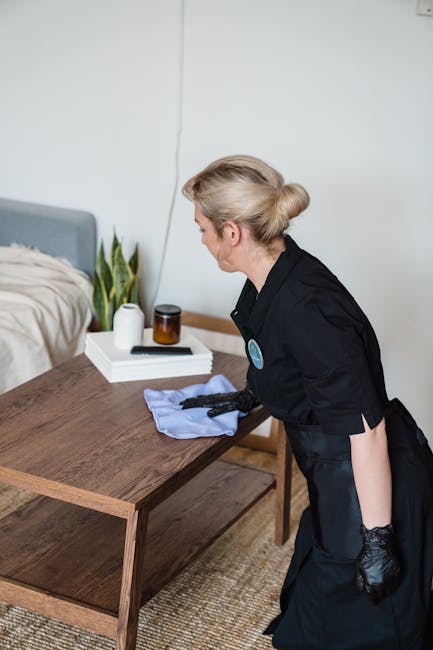
Prospect Place end of tenancy cleaning NW3: a practical guide to move-out cleaning that passes inspection
If you are getting ready to leave a flat or house around Prospect Place in NW3, end of tenancy cleaning can feel like one more thing on a very long moving list. Boxes everywhere, a last-minute keys handover, maybe a stain you only notice now because the sunlight is finally hitting the carpet at 4pm. Truth be told, that final clean often decides whether the move-out feels smooth or stressful.
This guide explains what Prospect Place end of tenancy cleaning NW3 involves, how it works, what landlords and letting agents usually expect, and how to avoid the common mistakes that lead to deductions or awkward follow-up messages. You will also find a clear checklist, a comparison table, and practical tips you can actually use, not just vague "clean thoroughly" advice.
For broader service details, you can also look at our end of tenancy cleaning page, plus related options like deep cleaning and one-off cleaning if you need a more general reset before moving.
Table of Contents
- Why Prospect Place end of tenancy cleaning NW3 Matters
- How Prospect Place end of tenancy cleaning NW3 Works
- Key Benefits and Practical Advantages
- Who This Is For and When It Makes Sense
- Step-by-Step Guidance
- Expert Tips for Better Results
- Common Mistakes to Avoid
- Tools, Resources and Recommendations
- Law, Compliance, Standards, or Best Practice
- Options, Methods, or Comparison Table
- Case Study or Real-World Example
- Practical Checklist
- Conclusion
- Frequently Asked Questions
Why Prospect Place end of tenancy cleaning NW3 Matters
End of tenancy cleaning is not just a "nice to have" at the end of a tenancy. It is the clean that helps return the property to a reasonable, inspection-ready condition before the next resident moves in. Around Prospect Place and the wider NW3 area, homes can range from compact flats to larger period properties, and each one tends to show wear in different places: high-touch kitchen areas, bathroom limescale, skirting dust, window tracks, or carpet traffic marks.
Why does it matter so much? Because move-out cleaning sits right at the point where expectations, deadlines, and deposits all meet. Even if you have lived carefully, normal life leaves a trail. Grease builds up behind hobs, shower screens dull over time, and corners collect dust in a way you only notice when the room is empty. Let's face it, an unfurnished room is less forgiving.
A proper end of tenancy clean is also about removing those small details that feel minor but look obvious in an inspection: crumbs inside cupboards, marks on door frames, toothpaste on bathroom tiles, or a faint smell from the oven. A professional approach helps reduce the chance of avoidable comments from landlords or agents, and it can save you from having to come back for a second round when you would rather be done with the place, emotionally and practically.
Where a property has been lived in heavily, or where there are carpets, upholstery, or stubborn oven build-up, a more detailed service can make the difference between "acceptable" and "not quite there yet". If you are dealing with especially tired surfaces, our oven cleaning, carpet cleaning, and upholstery cleaning pages explain the kind of targeted work that often matters most at move-out stage.
How Prospect Place end of tenancy cleaning NW3 Works
The process is usually more structured than a standard tidy-up. A good move-out clean follows a room-by-room method so nothing gets missed, and the job is done in a logical order. That matters because cleaning a kitchen before the dust in the rest of the flat has settled back down is, frankly, a waste of effort.
Typically, the process starts with a walkthrough or booking conversation. The goal is to understand the property size, condition, flooring types, and any special issues such as heavy limescale, pet hair, neglected appliances, or post-renovation dust. If you have just finished decorating or repairing the property, it may even overlap with after builders cleaning rather than a standard move-out service.
From there, the clean usually moves through the property in a top-to-bottom sequence:
- Dusting higher areas first, so debris falls to the floor before vacuuming.
- Cleaning kitchens and bathrooms in detail, since these are the spaces most likely to be inspected closely.
- Wiping internal doors, handles, switches, skirting boards, and reachable ledges.
- Cleaning inside appliances, cupboards, and storage areas.
- Vacuuming and mopping floors, or arranging specialist care where needed.
- Finishing with checks on glass, mirrors, and touchpoints that should look crisp when the room is empty.
The best move-out cleans are methodical, not theatrical. No one needs a "miracle". What they need is a careful, reliable standard that leaves the property fresh, presentable, and ready for inspection. If carpets are part of the tenancy agreement expectations, many people pair the service with a specialist carpets cleaner visit or a separate carpet service to deal with marks and general flattening.
Key Benefits and Practical Advantages
The biggest benefit is obvious: a cleaner property is more likely to pass the final inspection without avoidable comments. But there are a few practical advantages that people sometimes miss until they are in the middle of moving chaos.
- Less stress on handover day. You are not racing the clock with vacuum cables, bleach bottles, and a moving van outside.
- Better presentation. A fresh, detailed clean makes empty rooms feel finished rather than abandoned.
- Reduced chance of re-clean requests. Small misses like oven racks or bath seals are the sort of thing that trigger follow-up work.
- More efficient use of time. Moving is already noisy and messy; outsourcing the final clean lets you focus on the key bits.
- More consistent results. Professionals use a repeatable process, which is especially useful in properties with a lot of surfaces or awkward layouts.
There is also a quieter benefit: peace of mind. You know the kitchen has been properly degreased, the bathroom limescale has been tackled, and the places you forgot about at 11pm last night are no longer on your mind. That matters more than people admit.
Expert summary: For Prospect Place end of tenancy cleaning NW3, the aim is not just to make the home "look clean". It is to make the property feel inspection-ready, with attention to the places people naturally overlook: edges, fixtures, appliance interiors, and hidden build-up.
Who This Is For and When It Makes Sense
This service is for tenants, landlords, and letting agents who need a proper reset before a change of occupancy. Most often, it makes sense when you are:
- moving out of a rented flat or house near Prospect Place
- trying to avoid deposit disputes over cleanliness
- preparing a property for new tenants
- handovering a home that has seen normal wear over a long tenancy
- dealing with a missed deep clean that has piled up over time
It also makes sense after bigger life events. If a home has been emptied quickly, or if you have been living in a place with a busy routine, the grime tends to spread into corners you barely register day to day. One client-style scenario that comes up often: the flat is otherwise tidy, but the oven, bathroom silicone, and bedroom carpet tell a different story. That is usually where an end of tenancy clean earns its keep.
If you are a landlord or managing multiple properties, you may also find it helpful to think in terms of repeatable standards. A process that works for one flat can be reused, which is where structured services like cleaning company support and cleaners with defined checklists become useful rather than just convenient.
And if the property has had a particularly lived-in feel, sometimes a broader reset through domestic cleaning or house cleaning can be a sensible first step before the final move-out detail.
Step-by-Step Guidance
If you are planning your own clean, or simply want to understand what a professional should be doing, this is the practical sequence to follow.
1. Declutter first
Start by removing everything that belongs to you: cupboards, fridge shelves, under-bed items, bins, bathroom bits, and the random charger that somehow always survives the move. Cleaning around clutter is slower and misses corners. It just does.
2. Open up every surface
Empty drawers, open cupboards, pull appliances forward if safe, and check behind them. A quick wipe on visible surfaces is not enough. Move-out cleaning is about the hidden stuff too.
3. Tackle the kitchen deeply
The kitchen tends to be the hardest room. Focus on hob grease, extractor fans, splashback residue, cupboards inside and out, sinks, taps, appliance fronts, fridge interiors, and the oven. If you have ever opened an oven after six months of normal cooking and thought "ah, that's where the lasagne went", you already know why this part matters. Specialist oven cleaner support can be worth it where carbon build-up is heavy.
4. Clean the bathroom until it feels fresh
Bathrooms are all about finish. That means limescale around taps, soap scum on screens, grout lines, shower trays, mirrors, toilets, and any small shelf or ledge that collects spray residue. A good bathroom clean should look and smell clean, not just appear wiped over.
5. Work room by room
Dust skirting boards, wipe switches and door handles, clean window sills, vacuum edges, and remove cobwebs. Bedrooms and living rooms often look simple, but the devil is in the detail. Around NW3, older properties can also have trickier corners and deeper moulding or trim, which makes patience more valuable than speed.
6. Finish floors last
Vacuum first, mop last. Where appropriate, pay special attention to the type of flooring so it is not damaged by excess water or unsuitable products. For stone, tile, or laminate, using the right method matters more than brute force. If the property includes more demanding floors, you may want to explore hard floor cleaning as a more tailored option.
7. Do a slow final check
Stand at the doorway and look for what stands out. Smears on glass, dust on a shelf edge, splashes under the sink, crumbs in drawer corners. It sounds obvious, but one final pause catches a lot. Slow is good here.
Expert Tips for Better Results
Here are the details that make a real difference, especially if you want the clean to hold up under inspection rather than just look decent at a glance.
- Use a top-to-bottom routine. It prevents dust from falling onto areas you have already finished.
- Let products dwell where safe. A cleaner needs a minute sometimes. Wiping too early can actually make the job harder.
- Don't ignore edges. Skirting board tops, door frames, and cupboard rims collect more dust than people expect.
- Clean light switches and handles. These are small, but they influence the overall impression a lot.
- Deal with smells as well as marks. A room can look fine and still feel stale.
- Take photos before and after. Handy for your own records, and helpful if there is a later question about condition.
One small but useful tip: if you are cleaning over a couple of days, keep a "last pass" cloth and a clean vacuum bag or empty container for final detailing. Tiny thing, but it stops you from redistributing dust you already worked to remove. That sort of thing becomes oddly satisfying, almost meditative, once you get into it.
For stubborn soft furnishings, a specialist service can save a lot of effort. Our sofa cleaning and rug cleaning pages cover fabric care that can support the final look of a property, especially where pets or long use have left visible wear.
Common Mistakes to Avoid
A lot of end of tenancy stress comes from a few predictable mistakes. Most are fixable, which is the good news.
- Leaving the oven too late. Oven grease does not respect your timetable.
- Forgetting inside cupboards and drawers. Agents notice these more often than people think.
- Cleaning around furniture rather than behind it. When the room empties, hidden dust becomes obvious.
- Using too much water on floors. It can leave streaks or damage some surfaces.
- Not checking seals, grout, and corners. These are small areas, but they signal whether the clean was careful.
- Assuming "visibly tidy" equals "inspection-ready". It usually doesn't, not quite.
Another common issue is underestimating timing. People think a one-bedroom flat will only take a couple of hours, then the oven, bathroom, windows, and skirting boards have other ideas. If you have a move-out deadline, leave more time than you think you need. Always.
Tools, Resources and Recommendations
You do not need a room full of gadgets to achieve a strong result, but you do need the right basics. A sensible toolkit for move-out cleaning usually includes:
- microfibre cloths in several colours or groups for different rooms
- a vacuum cleaner with attachments for edges and upholstery
- a mop suitable for the flooring type
- non-abrasive sponges
- a limescale remover appropriate for bathrooms
- degreasing cleaner for the kitchen
- rubber gloves and basic protective kit
If you are unsure about fabrics, floors, or delicate finishes, it is better to test carefully than to go straight in with something harsh. A surprising amount of damage comes from "just trying a stronger cleaner". Been there, regretted that.
For support beyond the final tenancy clean, the following services can be relevant depending on the property condition: window cleaning for glass and frames, carpet cleaner support where fibres need attention, and cleaner or home cleaners if you want help with a broader move-out reset.
Law, Compliance, Standards, or Best Practice
This kind of cleaning sits in a practical space rather than a heavily regulated one, but there are still important standards and expectations to keep in mind. In the UK rental market, tenancy agreements often set out the cleaning condition expected at handover. The exact wording varies, so it is always wise to check the agreement rather than guess. A property usually needs to be returned in a condition comparable to the start of the tenancy, allowing for fair wear and tear.
That phrase, fair wear and tear, is important. It means ordinary use over time is not the same as neglect. A slightly faded carpet from years of use is different from a carpet with visible stains, crumbs, or pet hair left behind. The clean should address what is reasonably removable, not pretend time never happened.
Best practice also means using products safely and following sensible cleaning methods around electricity, ventilation, glass, and surfaces that can scratch or discolour. If you are hiring help, you should expect clear communication, appropriate insurance, and a safe working approach. Our insurance and safety information explains the kind of assurance people normally look for when choosing a cleaning provider.
For customers who care about practical ethics and waste handling, sustainability can be part of the decision too. Reuse of materials, careful product selection, and responsible disposal all matter. You can read more about our recycling and sustainability approach, which fits neatly with a considered, low-waste way of working.
Options, Methods, or Comparison Table
There are a few ways to handle a move-out clean, and the right choice depends on the property, your timing, and how much of the job you want to do yourself.
| Option | Best for | Pros | Trade-offs |
|---|---|---|---|
| DIY end of tenancy clean | Smaller properties, light use, flexible timelines | Lower direct cost, full control, can be done gradually | Time-consuming, easy to miss detail, physically tiring |
| Professional end of tenancy clean | Most rented homes, stricter inspections, tight deadlines | Structured process, better consistency, less stress | Requires booking and budget planning |
| Mixed approach | When you want to save money but need expert help on the hard bits | Can target oven, carpets, bathrooms, or windows only | Requires good coordination and clear scope |
In practice, many people use a mixed approach. They handle packing dust, emptying cupboards, and general tidying themselves, then bring in specialist help for the stubborn parts. That often makes sense if the kitchen is fine but the oven is a lost cause, or if the bedroom carpet has picked up marks that you do not want to scrub at midnight with a cup of tea going cold beside you.
Case Study or Real-World Example
Consider a typical NW3 move-out scenario. A tenant has been in the property for two years, the flat is otherwise well cared for, and the landlord expects a clean handover by Friday afternoon. The tenant has already moved most boxes, but the kitchen shows the usual signs of normal living: grease around the hob, a sticky cupboard handle, and an oven that has seen better days. The bathroom has limescale around the tap and some residue on the shower screen. The living room carpet looks tidy from a distance, but near the door there is a narrow traffic mark where shoes have repeatedly come in.
What makes the difference? Not magic. Just sequence and focus. The tenant clears the rooms first, then deals with the oven and kitchen, then the bathroom, then surfaces, then floors, then a final slow inspection with daylight if possible. In many cases, bringing in support for the hardest surfaces or fabrics shortens the whole process and removes the biggest risks.
That is really the point of Prospect Place end of tenancy cleaning NW3: not to create a showroom, but to remove the obvious signs of occupancy so the property reads as cared for, fresh, and ready for someone else. Simple idea. Not always simple to do. But very achievable with the right plan.
Practical Checklist
Use this as a quick final pass before handing back the keys:
- All belongings removed from cupboards, drawers, and storage areas
- Kitchen surfaces wiped, degreased, and dried
- Oven, hob, extractor, and fridge cleaned
- Bathroom limescale, soap residue, and mirrors addressed
- Skirting boards, switches, handles, and door frames checked
- Windowsills, glass, and internal ledges wiped
- Floors vacuumed and mopped appropriately
- Carpets, rugs, and soft furnishings assessed for stains or hair
- Bins emptied and the property left fresh
- Final walkthrough completed in good light if possible
Quick reminder: if the property has been particularly lived in, or you are short on time, it is usually smarter to prioritise the kitchen, bathroom, and floors first. Those are the rooms people notice fastest.
Conclusion
Prospect Place end of tenancy cleaning NW3 is ultimately about handover confidence. You want the place to feel finished, not frantic. You want the cleaning to stand up to inspection, not just casual glances. And, ideally, you want the whole thing done without the last-minute panic that makes moving day feel twice as long as it should.
Whether you are doing the work yourself or arranging help, the key is to approach it methodically: clear the space, work room by room, focus on the detail, and give the property one final, honest check before you leave. That approach saves time, reduces stress, and tends to lead to much better outcomes. Fairly simple, really, though moving house has a way of making simple things feel complicated.
If you are comparing service options, reviewing your tenancy requirements, or planning the handover timeline, start early and choose the path that gives you the most reassurance. A calm exit is a good exit.
Get a free quote today and see how much you can save.
Frequently Asked Questions
What does end of tenancy cleaning include in Prospect Place NW3?
It usually includes detailed cleaning of kitchens, bathrooms, bedrooms, living areas, floors, internal surfaces, skirting boards, and appliances. The exact scope depends on the property and agreement.
How long does a move-out clean usually take?
That depends on property size, condition, and whether specialist tasks are needed. A small flat may be quicker, while a larger or heavily used property can take much longer than expected.
Do I need professional cleaning to get my deposit back?
Not always, but many tenants choose it because professional cleaning gives more consistent results and reduces the risk of a missed area causing a dispute.
Is oven cleaning part of the service?
It often is, but this should always be checked in advance. Ovens are one of the most commonly inspected areas, so they deserve proper attention either way.
Should carpets be cleaned as well?
If the carpets are stained, heavily walked on, or specifically mentioned in the tenancy agreement, then yes, it is usually a smart move. Carpets often influence the overall impression more than people expect.
Can I do the end of tenancy clean myself?
Yes, provided you have enough time, the right products, and a detailed checklist. The main challenge is usually not effort but completeness.
What are the most commonly missed areas?
People often miss behind appliances, inside cupboards, skirting tops, shower screens, extractor fans, door handles, and the inside of the oven.
How far in advance should I book cleaning?
As early as possible, especially if you are moving at month-end. Good timing makes everything calmer, and it gives you room to fix anything unusual before the handover.
What if the property has damage as well as dirt?
Cleaning can improve presentation, but it will not repair damage. If there are marks, chips, or broken fittings, those should be handled separately or flagged appropriately.
Is a one-off clean the same as end of tenancy cleaning?
Not exactly. A one-off clean is broad and useful, but end of tenancy cleaning is more detailed and focused on handover standards. They overlap, but the purpose is different.
How do I know whether I need help with just the kitchen or the whole property?
Look at the rooms that would stand out most in an inspection. If the kitchen, bathroom, and floors need serious work, a full service may be more efficient. If only one or two problem areas remain, targeted help can be enough.
What should I check before handing back the keys?
Do a slow final walk-through in good light, check inside cupboards and appliances, confirm bins are empty, and make sure all surfaces feel clean and dry. It is a small step, but it catches a surprising amount.